


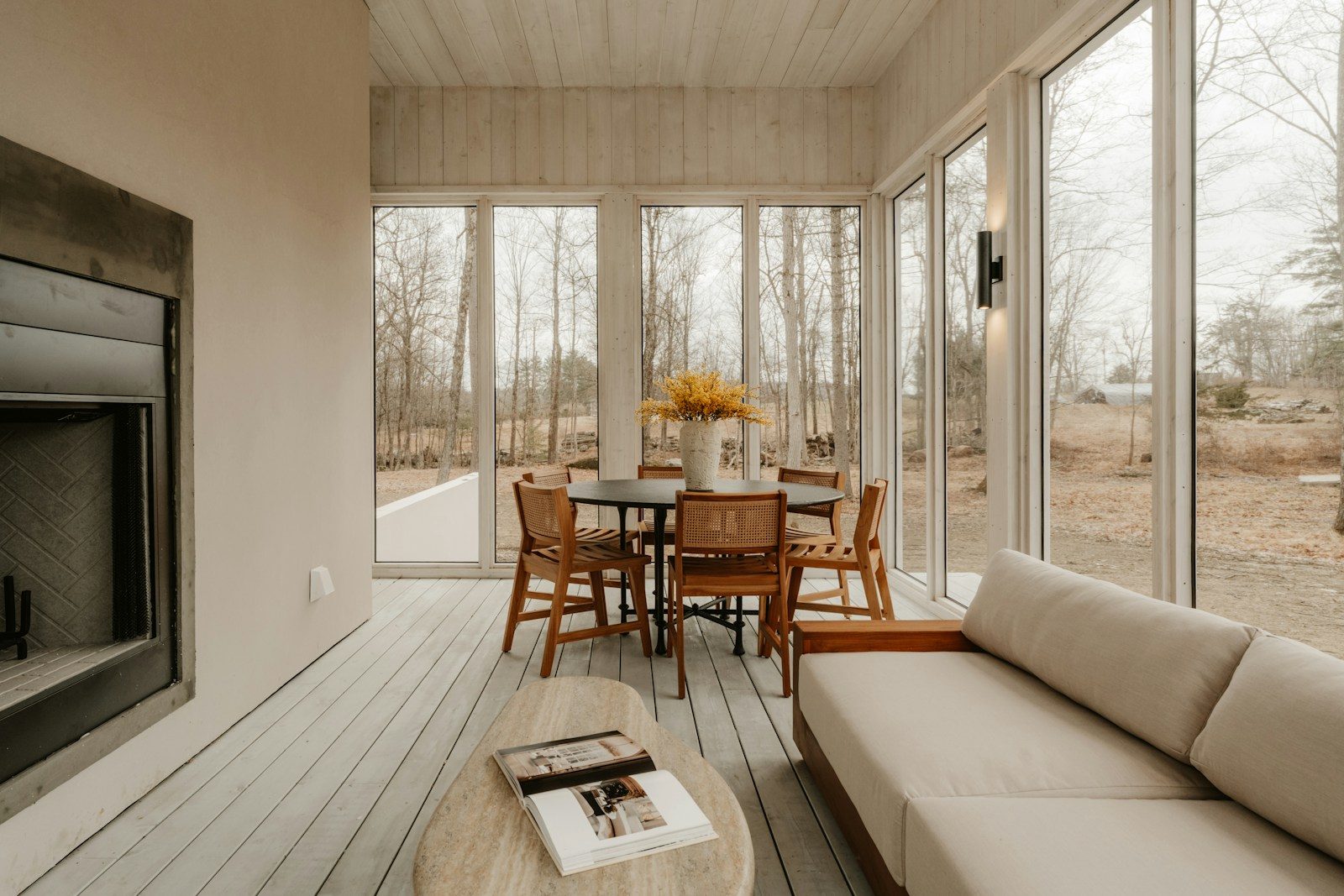
Short-term lets—often associated with platforms like Airbnb, Booking.com, and Vrbo—have transformed the property rental landscape. While they offer landlords and homeowners an attractive income stream, they also introduce a distinct set of risks that standard insurance policies don’t always cover. Understanding how insurance works in this space is essential for anyone considering or already operating a Short term rental.
The Rise of Short-Term Lets
In recent years, short-term letting has grown rapidly across the UK and globally. Property owners are drawn to the flexibility and potentially higher returns compared to traditional long-term tenancies. For many, a Rental property used for short stays can generate strong income, but every Rental property also needs the right protection.
However, this model effectively turns a residential property into a quasi-hospitality business, bringing with it a different risk profile. Unlike a single, long-term tenant, short-term lets involve a high turnover of guests, varying occupancy patterns, and less opportunity to vet occupants. This increased unpredictability is exactly why insurance becomes more complex and more important.
Want rent guarantee insurance? Click here now.
Why Standard Home Insurance Isn’t Enough
A common misconception is that a typical home insurance or buy-to-let policy will cover Airbnb-style rentals. In most cases, this is not true. Standard policies are designed for owner-occupied homes or long-term rental arrangements with vetted tenants. If you operate a Short term rental, you may need specialist protection instead.
Buildings insurance is usually designed to protect the structure of the property, while Building and contents insurance can protect both the structure and the items inside. However, ordinary structural cover may not respond properly if the insurer has not been told that guests are using the property. Likewise, standard combined property insurance may exclude guest-related claims.
Short-term letting often falls outside standard policy definitions. If you fail to inform your insurer that you’re using the property for short-term lets, you risk invalidating your policy altogether. That can leave you without Insurance covers when you need it most.
Key Risks in Short-Term Letting
Operating a short-term let introduces several unique risks.
-
Property Damage
Frequent guest turnover increases the likelihood of Accidental damage, wear and tear, and even malicious damage. While platforms like Airbnb offer host guarantees, these are not a substitute for comprehensive insurance. Accidental damage could include broken furniture, damaged flooring, smashed appliances, or spills that affect carpets and furnishings.
A good policy may Cover the cost of repairs after Accidental damage, depending on the terms and exclusions. This is where specialist cover can make a significant difference. When reviewing Insurance covers, check whether Accidental damage by guests is included and whether it applies to both buildings and contents.
-
Liability Claims
If a guest is injured on your property due to a loose railing, faulty appliance, or slip hazard, you could be held liable. Liability cover helps protect you if someone makes a claim against you. Property owners liability is especially important for landlords and homeowners welcoming paying guests.
Legal costs and compensation claims can be significant. Liability cover may help Cover the cost of defending or settling a claim, while Property owners liability can support you if an incident happens at the property. Without adequate Liability cover, one accident could become a major financial problem.
-
Loss of Income
If your property becomes uninhabitable due to an insured event such as fire, flood, or serious damage, you may lose booking income during repairs. Loss of rent protection can help replace income you would otherwise have earned. For a busy Rental property, Loss of rent can be one of the most important parts of a policy.
Loss of rent is particularly valuable when bookings are cancelled because the property cannot legally or safely be occupied. Some policies may also include Alternative accommodation if guests or occupiers need somewhere else to stay after an insured event. Alternative accommodation can be especially useful where bookings have already been confirmed.
-
Theft
Guests or third parties may steal items from your property, particularly if it is furnished. Building and contents insurance can help protect furniture, appliances, and other belongings, but you should check whether theft by guests is included. Some Insurance covers exclude theft unless there is forced entry, so the detail matters.
Want an instant quote on your block of flats insurance? Click here now.
Types of Insurance You Should Consider
To properly protect a short-term let, landlords should look beyond standard cover and consider specialist policies.
-
Specialist Short-Term Let Insurance
Designed specifically for Airbnb-style properties, these policies typically combine elements of home, landlord, and commercial insurance. They may include structural protection, contents protection, guest-caused damage, public liability protection, lost rental income, and owner liability protection.
Specialist cover can also include guest damage, theft, and legal protection. For a Short term rental, the right Landlord insurance cover should reflect how often the property is used, who stays there, and whether the property is a dedicated Rental property or your main home.
-
Buildings and Contents Protection
Buildings insurance protects the physical structure, including walls, roof, floors, fitted kitchens, and bathrooms. Building and contents insurance goes further by also protecting items such as sofas, beds, curtains, appliances, and other furnishings.
For furnished short-term lets, Building and contents insurance is often more suitable than Buildings insurance alone. A policy that can Cover the cost of damage to both the building and contents gives landlords better protection and greater Peace of mind.
-
Legal Expenses Cover
Legal expenses can help with disputes linked to your property, guests, contracts, or other insured matters. In short-term letting, Legal expenses may become relevant if there is a disagreement over damage, access, unpaid charges, or regulatory issues.
Legal expenses can also support landlords where professional advice or representation is needed. Because legal disputes can quickly become costly, this cover can provide valuable reassurance for property owners.
-
Loss of Income Cover
Also known as business interruption insurance, this compensates you for lost earnings if your property cannot be rented due to an insured event. Loss of rent cover can protect your income while repairs are carried out. Lost rental income protection may also help maintain cash flow if your Rental property is temporarily unavailable.
The best policies explain clearly when Loss of rent applies, how long payments can continue, and whether existing bookings are taken into account.
What About Airbnb’s Host Protection?
Airbnb provides certain protections for hosts, including support for property damage and liability claims. While helpful, these should not be relied upon as your sole protection. They come with limitations, exclusions, and a claims process that may not always work in your favour. Importantly, they are not always the same as traditional insurance policies.
This is why specialist Insurance covers remain important. A dedicated policy can be tailored to the risks of your Rental property and may provide more reliable Peace of mind than relying on platform support alone.
Need pet policy cover? Click here to get a quote.
Compliance and Disclosure
Transparency with your insurer is critical. Always disclose that you are operating a short-term let, the frequency of bookings, whether the property is your primary residence or a dedicated rental, and whether guests have access to shared areas.
In some areas, particularly in cities like London, there may also be legal restrictions, such as the 90-day rule for short-term lets. A legal obligation may apply to planning, licensing, safety checks, mortgage consent, lease conditions, tax, or local authority rules. Failing to meet a Legal requirement can affect your ability to let the property and may also affect insurance validity.
There may also be a Legal requirement to carry out certain safety checks, such as gas safety, electrical safety, fire safety, or risk assessments depending on the property and how it is let. Even where there is no specific legal obligation for a certain type of insurance, landlords should still consider whether cover is commercially necessary.
Is Landlord Insurance a Legal Requirement?
Landlord insurance itself is generally not always a Legal requirement, but parts of your responsibilities as a landlord or host may be. For example, safety, licensing, mortgage, or lease obligations may create a Legal requirement that you must follow.
Even where insurance is not a Legal requirement, many mortgage lenders, freeholders, managing agents, or booking arrangements may expect appropriate cover. Having owner liability protection, building cover, and legal protection can provide Peace of mind and reduce your exposure to financial risk.
Getting the Right Quote
Before choosing a policy, compare what Insurance covers are included and what exclusions apply. A Landlord insurance quote should be based on accurate information about the property, occupancy, guest turnover, claims history, and whether the home is used as a Short term rental.
When requesting a Landlord insurance quote, check whether guest damage, Alternative accommodation, rent protection, owner liability, legal protection, contents, and combined cover are included. A good Landlord insurance quote should make it clear whether the policy can Cover the cost of guest-related claims.
It is also worth comparing more than one Landlord insurance quote so you can understand the level of protection available. The cheapest option may not give you the Peace of mind you need if the exclusions are too restrictive.
When reviewing the finer details, confirm that Accidental damage is included for guest stays and that Accidental damage is not limited only to long-term tenants. Also check whether Building and contents insurance works alongside Buildings insurance, because Buildings insurance alone may not protect furnishings. Strong Landlord insurance cover should include Landlord insurance cover features that match guest turnover. Legal expenses and Legal expenses support can be useful if disputes arise. Liability cover and Property owners liability are also important, as Property owners liability claims can be expensive. Loss of rent should be clearly explained before you buy.
Want an instant quote on your block of flats insurance? Click here now.
Final Thoughts
Short-term lets can be highly profitable, but they require a more sophisticated approach to risk management. Insurance is not just a box-ticking exercise; it is a fundamental part of protecting your investment.
The right Landlord insurance cover can help with guest damage, Alternative accommodation, public liability, legal support, owner liability, rental income protection, building cover, and contents protection. For any short-let property used for short stays, proper insurance provides Peace of mind and helps ensure you are prepared when something goes wrong.
Choosing specialist cover gives you Peace of mind that your property, income, guests, and legal responsibilities have been considered properly. With the right policy in place, landlords can operate with confidence and focus on making their short-term let a success.